
How to Include Family, Friends, and Church in Christian Dating: A Healthy Guide
Published
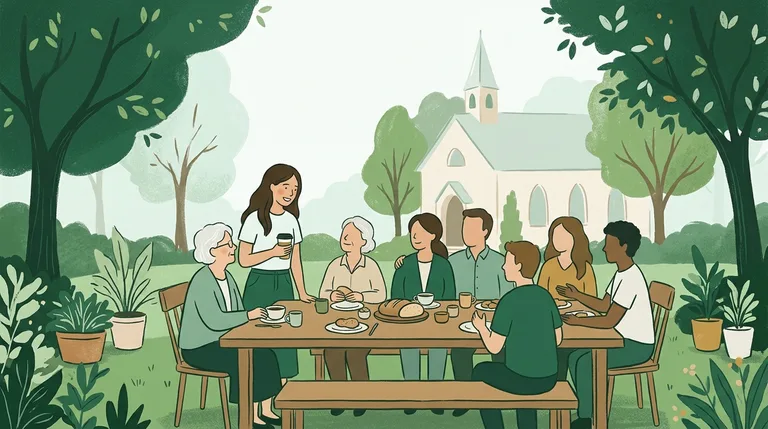
Why Community Matters in Your Christian Dating Journey
In a culture that celebrates hyper-independence, it is easy to treat romantic relationships as strictly private affairs. We match on an app, meet for coffee, and sometimes spend months getting to know someone before anyone in our inner circle even knows their name. While privacy has its place early on, total secrecy can blind us to critical relationship patterns.
Involving family and church in Christian dating brings a vital layer of accountability and emotional safety. When you are excited about someone new, your brain is flooded with chemistry that makes it easy to overlook red flags or compatibility issues. Trusted friends and spiritually mature mentors see things from a calmer vantage point, helping you discern whether a relationship truly aligns with your faith and life goals.
Dating with community support also relieves the pressure of trying to figure everything out alone. Your small group leader, parents, or close Christian friends can pray with you when you feel anxious, celebrate after a great third date, and remind you of your identity in Christ if things do not work out.
Striking a Balance Between Independence and Community Input
One of the biggest fears singles have about involving others in their dating life is losing control over their own decisions. Maybe you come from a tight-knit family with strong opinions, or perhaps you attend a church where well-meaning people tend to rush every chatting couple toward the altar. Finding a balance between independence and community is essential if you want support without suffocation.
A healthy community acts like guardrails on a mountain road rather than a backseat driver grabbing the steering wheel. Guardrails keep you from going off a cliff, while you remain the one choosing the destination and setting the pace. Remember that you are the one who will ultimately live out the daily reality of your relationship, so wise counsel should inform your choice rather than replace your personal responsibility.
To build this balance, pay attention to the difference between wise discernment and personal preference. If your mentor points out that your date regularly disrespects boundaries or mocks your faith, that is a character observation worth taking seriously. If an aunt complains that your date does not have the career she imagined for you, that is a personal preference you can politely set aside.
Who Belongs in Your Dating Support Circle?
Not everyone in your social network earns a front-row seat to your romantic life. Oversharing with a wide crowd in the early stages of dating often creates unnecessary pressure and confusion. Instead, be intentional about building a small, trustworthy team of allies who genuinely want God's best for you.
- Two or three close Christian friends: Choose peers who know your daily habits, understand your emotional triggers, and love you enough to tell you the gentle truth when you are rushing or settling.
- A spiritually mature mentor or couple: Look for someone inside your church community whose marriage or character you deeply admire. They offer perspective rooted in real-life experience and biblical wisdom.
- Supportive family members: Include parents or siblings who respect your adulthood and support your Christian values and family vision. If certain family relationships are unhealthy or critical, it is completely okay to wait longer before bringing them into the loop.
When choosing your sounding board, look for people who demonstrate emotional maturity, confidentiality, and spiritual grounding. You want advisors who point you back to prayer and Scripture rather than stirring up drama or projecting their own dating wounds onto your story.
A Practical Timeline for Introducing Someone New
Timing makes all the difference when blending a new relationship into your existing world. Moving too fast can turn a casual getting-to-know-you phase into a high-stakes spectacle, while waiting too long can make your inner circle feel shut out. Here is a practical timeline to help you navigate each stage with grace.
Stage 1: The First Few Dates (Keep It Small)
During the first one to four dates, you are simply finding out if you enjoy each other's company and share basic values. At this stage, only one or two trusted friends need to know the details—both for practical safety when meeting someone new from platforms like Kristen Match and for light prayer support. Avoid announcing a new match to your entire small group or extended family before you even know if there will be a second date.
Stage 2: Consistent Dating (Low-Pressure Group Settings)
Once you have been dating consistently for a month or two and feel mutual interest growing, begin weaving each other into normal social routines. Invite your date to a casual game night with friends, a group hike, or a Sunday service followed by coffee in the lobby. Low-pressure environments let you observe how this person treats others, handles social dynamics, and engages with church life without the awkwardness of a formal inspection.
Stage 3: Exclusivity and Intentional Relationship (Family and Mentors)
When you decide to date exclusively with the intention of exploring a future together, it is time to connect more purposefully with family and church mentors. Plan a relaxed dinner with parents or double-date with an older couple from church. At this point, you are actively inviting the people who love you most to know the person who is becoming important to you.
How to Handle Unsolicited Church Advice and Family Pressure
Even in the healthiest communities, bringing someone new around can trigger awkward comments or intense curiosity. In many churches, singles avoid talking about their dating lives precisely because they dread the immediate teasing about wedding bells. Protecting emotional safety in Christian relationships requires clear, cheerful boundaries.
You do not owe everyone in the church foyer a full status report on your love life. Practicing a few warm, simple responses ahead of time can save you from feeling cornered during Sunday fellowship.
- When people push for a label too soon: Smile and say, "We are just enjoying getting to know each other right now, and I appreciate your prayers for clarity as we take it one step at a time."
- When family members ask invasive questions: Keep your tone light and set a boundary by saying, "We are still in the early chapters, so I am keeping a few things between the two of us for now, I promise to keep you updated as things grow."
- When someone offers unhelpful critique: Thank them politely without debating by saying, "Thank you for caring about me enough to share that—I will definitely pray about it."
Setting boundaries is not disrespectful or secretive; it actually protects the fragile early growth of a relationship so authenticity can develop naturally. You can honor your parents and cherish your church family while still guarding the pace of your romance.
Questions to Ask Your Trusted Circle About Your Relationship
Seeking advice from the church in dating works best when you ask specific, thoughtful questions instead of simply waiting for random opinions. Once your close friends, family, or mentors have spent a little time around you and the person you are dating, invite their honest feedback during a quiet one-on-one conversation.
- "How do I seem when I am around this person?" Good friends will quickly notice whether you seem peaceful, authentic, and energized, or whether you appear anxious and walking on eggshells.
- "Do you see us encouraging each other's walk with God?" A strong Christian relationship should draw both people closer to Christ and deeper into healthy community, rather than pulling you away from spiritual habits.
- "Are there any blind spots or communication patterns we should pay attention to?" Asking this openly gives your mentor permission to gently highlight areas for growth before small habits become big hurdles.
Listen with humility when your inner circle answers these questions. Even if a piece of feedback stings at first, take it to God in prayer and look for patterns. If three independent people who love you deeply express the exact same concern, treat that unity as a gift of protection.
Frequently Asked Questions About Community and Christian Dating
What if my parents and my church friends disagree about the person I am dating?
Start by examining the root of their concerns. Sometimes parents focus heavily on financial stability or cultural familiarity, while church friends focus on spiritual engagement and emotional warmth. Look at whether the objection is based on biblical character issues—such as dishonesty, anger, or lack of faith—or simply different expectations. Bring a neutral pastor or Christian counselor into the conversation if you feel stuck between conflicting voices.
Should we attend the same church while we are just starting to date?
In the early stages, it is usually healthier to keep attending your respective home churches while occasionally visiting each other's services. This preserves your personal support systems and keeps the environment drama-free if the relationship ends after a few months. Once you are moving seriously toward engagement and marriage, worshiping and serving in the same local church becomes much more important.
How much should I tell my friends when my partner and I have a disagreement?
Be very careful not to vent every minor frustration to your friends or parents. When you forgive your partner the next day, your family might still hold onto the negative snapshot you painted for them. Process everyday conflicts directly with your partner first; if you need outside wisdom for a recurring issue, talk to one mature mentor who will hold both of you accountable without taking sides unfairly.
Ready to Build a Faith-Centered Relationship?
Healthy relationships thrive when shared faith, intentional communication, and supportive community come together. When you invite wise friends, caring family, and grounded church leaders into your corner, you can date with far greater peace and confidence.
If you are looking for someone who shares your faith and values the beauty of Christian community, create your profile on Kristen Match today and start connecting with single Christians who are ready for a genuine, Christ-centered relationship.